Corporate Solar Energy Partnerships: A Business Guide
Corporate solar energy partnerships are agreements in which a business teams up with a developer, financier or energy advisor to put solar power on its buildings or land. As a result, the right structure can cut grid purchases and steady long-term costs for large energy buyers. However, the wrong one can lock in poor terms for 20 years. Finally, this guide explains the models, the risks and the steps to choose well.
Quick answer: A solar partnership works best when you start with your own bills and usage. Then compare ownership, lease and power purchase options through competitive bids. Savings depend on your rates, site and contract terms.
What Are Corporate Solar Energy Partnerships?
They are structured deals that bring solar generation to a company’s facilities. The partner may design, finance, build, own or maintain the system. In return, the business gets electricity, tax benefits or ownership, depending on the model.
Importantly, these deals sit alongside your normal electricity supply contract. Therefore, they should be evaluated together. For background on benefits, see this overview of the advantages of solar energy for companies.
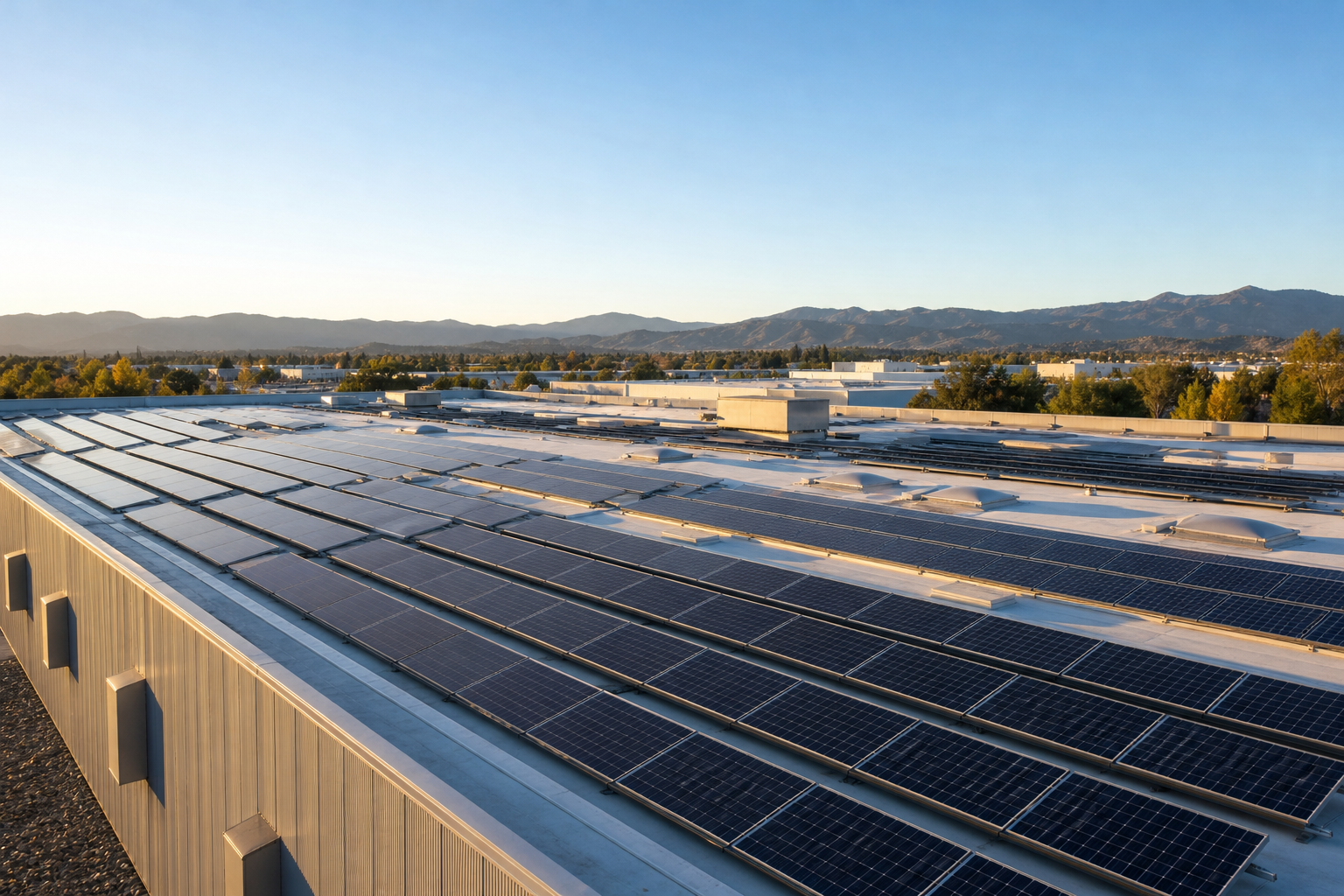
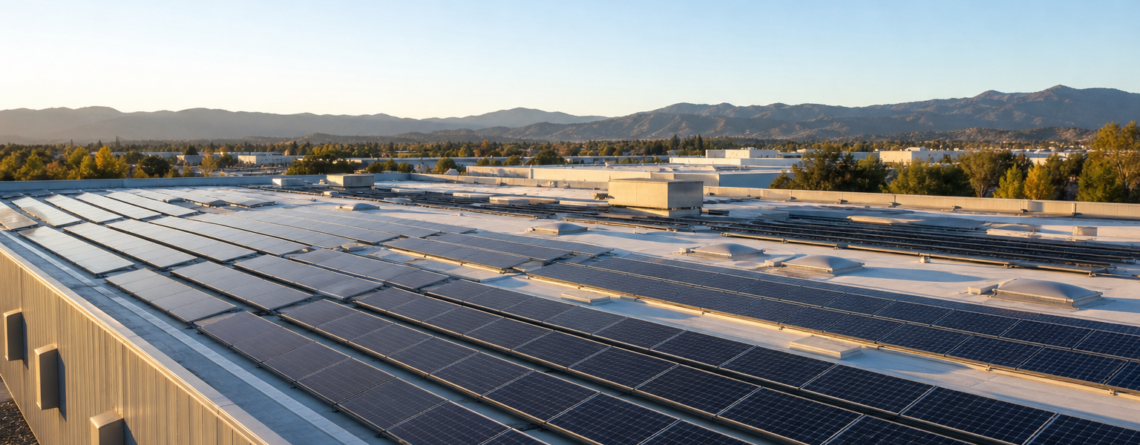
A commercial rooftop array is a common starting point for corporate solar energy partnerships.
Common Business Solar Partnership Models
Most deals fall into a few categories. Each shifts cost, risk and benefit differently.
| Model | Who owns the system | Upfront cost |
|---|---|---|
| Direct purchase | The business | High |
| Power purchase agreement (PPA) | Third party | Low or none |
| Solar lease | Third party | Low |
| Building-integrated solar | Varies | Varies by project |
Power Purchase Agreements
A power purchase agreement lets a third party own the system and sell you its output at a set rate. However, escalator clauses and long terms deserve close review.
Building-Integrated Options
Some projects use transparent photovoltaic glass in windows or facades. Nexus Energy Exchange partners with Onyx Solar on this technology. You can read more on its solar page.
How Do Business Solar Alliances Create Savings?
Solar reduces the kilowatt-hours you buy from the grid. Where net metering applies, extra output earns bill credits. Rules vary by state and utility, so verify them locally.
Demand charges need separate attention. These fees are based on your highest short-term power draw. Solar only helps if it produces during your peak, so usage management often matters as much as panels.
Risks to Check Before You Sign
- Price escalators that raise your solar rate every year.
- Performance guarantees and what happens if output falls short.
- Who handles maintenance, insurance and repairs.
- Termination fees and buyout options if you sell the property.
- Roof condition and remaining service life.
The U.S. Department of Energy publishes general solar guidance that can help frame these questions.
Steps to Set Up a Commercial Solar Partnership
- Audit your energy use. Gather twelve months of bills and interval data to see usage, peak demand and rates.
- Assess your site. Check roof age, shading, land and utility interconnection rules.
- Choose a model. Compare ownership, PPA and lease options against budget, tax position and how long you will keep the building.
- Bid it out. Request proposals from several providers on identical specifications.
- Review and monitor. Have counsel review the contract, then track production against projections.
Why Pair Solar With a Smart Procurement Strategy
Solar rarely covers all of a large facility’s load. Your remaining power still comes from a supplier, so a strong supply contract matters. This guide to getting the best energy deals explains how.

Comparing bills and proposals side by side supports better solar decisions.
Where an Independent Energy Advisor Fits
Nexus Energy Exchange is a licensed energy brokerage based in Toledo, Ohio, with 22 years in business. Its brokers hold BEP, CEP and C.P.M. certifications. The firm states that bill audits and rate negotiation are at no cost to clients, and it also offers renewable energy consulting and solar information.
As an independent advisor, it looks at price, quantity and how energy is used. You can learn more at nexusenergyexchange.com or explore commercial energy marketing programs. To request an energy analysis, call 419.466.2622 or use the contact form.
Frequently Asked Questions
What are corporate solar energy partnerships?
They are agreements in which a business works with a developer, financier or advisor to add solar power to its facilities. Terms vary from outright ownership to long-term power purchase agreements.
How do corporate solar energy partnerships save money?
Solar lowers the amount of power you buy from the grid and can reduce peak demand. Savings depend on your rates, usage pattern, system size and contract terms.
What is a power purchase agreement?
A power purchase agreement (PPA) is a contract where a third party owns the solar system and sells you its electricity at an agreed rate. You usually pay little or nothing upfront.
Is it better to buy or lease a commercial solar system?
Buying gives you ownership of incentives and long-term savings but requires capital. Leasing or a PPA lowers upfront cost but shares the benefits with the provider.
How long do solar partnership contracts last?
PPAs and leases commonly run 10 to 25 years. Always confirm the exact term, renewal options and buyout provisions in writing.
What is net metering?
Net metering credits you for excess solar power sent to the grid. Rules differ by state and utility, so check local policy before modeling savings.
Do I need a new roof before installing solar?
Not always, but an aging roof should be assessed first. Replacing it later means removing and reinstalling panels, which adds cost.
Can solar reduce demand charges?
It can help, but only if production overlaps with your peak demand. Solar alone may not cut demand charges, so pairing it with usage management or storage is often useful.
What is transparent solar glass?
It is photovoltaic glass that generates electricity while letting light through. It can replace windows or facades in commercial buildings.
What risks should I check before signing?
Review price escalators, performance guarantees, maintenance duties, termination fees and what happens if you sell the building. Independent review helps catch unfavorable terms.
Why use an energy advisor for a solar partnership?
An advisor compares proposals and checks them against your bills and market outlook. This reduces the chance of overpaying or accepting weak terms.
How do I start a corporate solar partnership?
Start with a review of your bills and site, then request competing proposals. Nexus Energy Exchange offers energy analysis to help businesses take that first step.
Conclusion
Corporate solar energy partnerships can lower energy costs and add price stability, but results depend on the model, the site and the contract. Start with your usage data, compare structures through competitive bids and read the fine print on escalators and exit terms. With a clear process and independent guidance, your business can choose a solar partner with confidence.